

Spiders
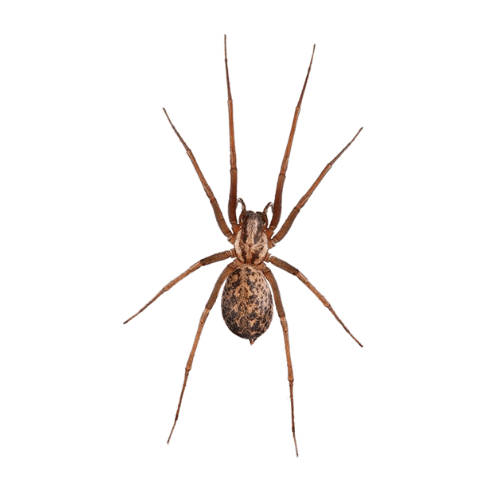
Spider Pest Control
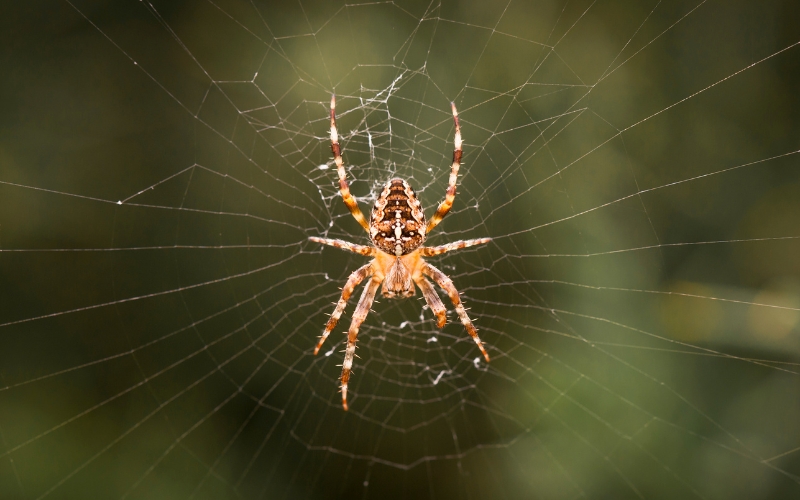
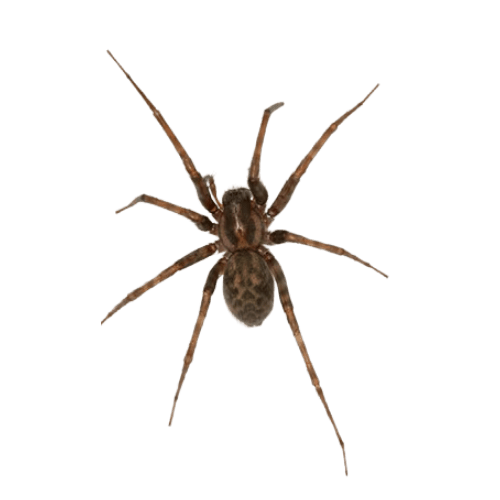
House Spider
Common in UK homes, the House Spider builds large funnel-shaped webs in dark areas like lofts and basements. Harmless but can create web nuisances.
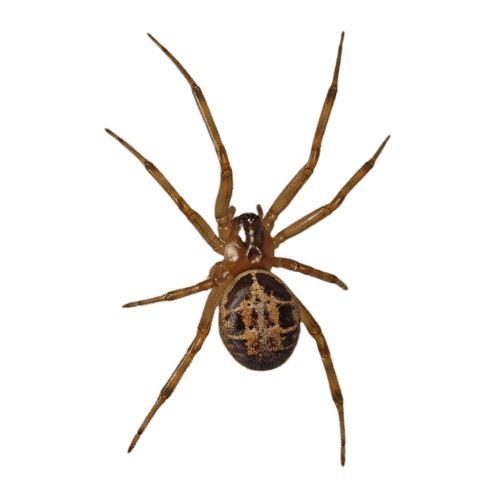
False Widow
Often mistaken for the Black Widow, the False Widow has a dark, bulbous body with a white marking. Its bite can cause mild swelling or discomfort.
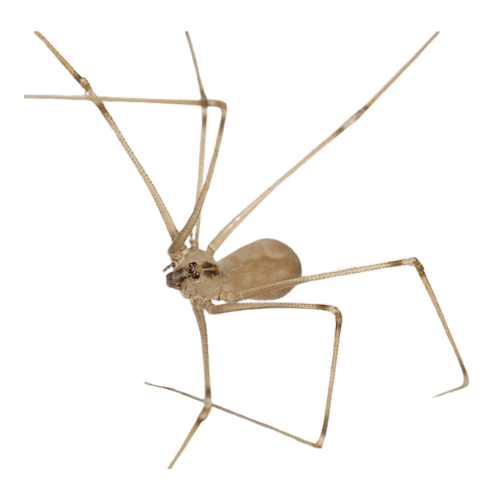
Cellar Spider
Also known as Daddy Long-Legs, this spider has long legs and builds messy webs in dark corners. Harmless but can become a web nuisance indoors.
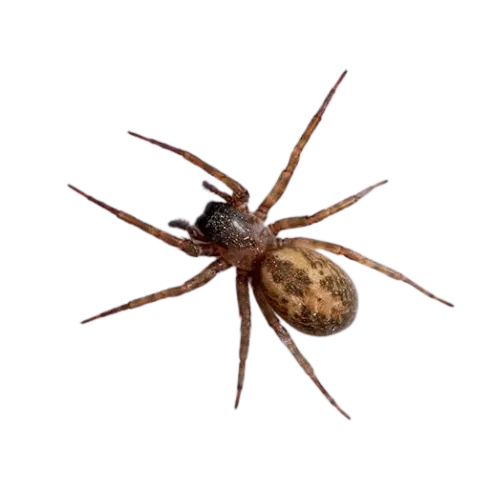
Lace Spider
The Lace Web Spider has a brown body with yellowish markings and builds small, lace-like webs. It may bite if disturbed, causing mild discomfort.
How we deal with Spiders
We receive lots of calls each year on house spiders, however, most calls are to deal with one type of spider more than any other. That spider is the False Widow spider.
The False Widow spider is now commonplace in UK homes. There are six species of the False Widow spider in the UK including Steatoda Noblis (Noble False Widow) which in our experience is the most common one we deal with.
We’re often asked the question ‘Are they dangerous?’. Most bites from a False Widow spider will usually only reveal a minor reaction to the bite. The bite itself feels like a wasp or bee sting and swelling around the area of the bite is quite normal due to the venom the spider will inject.
Some people who are sensitive to stings and bites may develop an infection and pus could appear at the site of the bite. If you are sensitive to bites and you’re concerned, then seek medical advice as soon as possible.
The method in which we deal with spiders is by a system called Ultra Low Volume insecticide. Most people would recognise this as fumigation although technically it isn’t. We use a machine to emit an airborne insecticide within the house or business. This insecticide will take up to three hours to settle. Due to the size of the droplets, the insecticide can reach into cracks and tiny gaps to flush out hiding spiders or insects. The spider dies within a few minutes of the insecticide reaching its target.
During this procedure you and your pets would need to be out of the property for approximately five hours.
DIY Pest Control
We always advise against DIY insecticide treatments. Any insecticide can be lethal to people and animals if it isn’t used correctly, so it is best to use a fully qualified pest controller.
If you do decide to tackle spiders yourself, wear suitable protective equipment, including a respirator with the correct filters and a disposable protective suit. If you use a smoke bomb, follow the instructions carefully: most use a flame to release the insecticide, so make sure nothing nearby can catch fire, and make sure everyone, including you, is out of the property while it is working.
There are also simple ways to deter spiders: seal gaps around windows, fit brush strips to the bottom of doors, reduce clutter where spiders like to hide, and vacuum webs from the corners of each room regularly.