

Bees
Bees play a crucial role in pollination and biodiversity, making them essential to the environment. If bumblebees or masonry bees are causing a problem on your property, First Pest Control can assess the situation and advise on the best option. We do not deal with honey bees; a local beekeeper may be able to collect a swarm.
Bee Pest Control
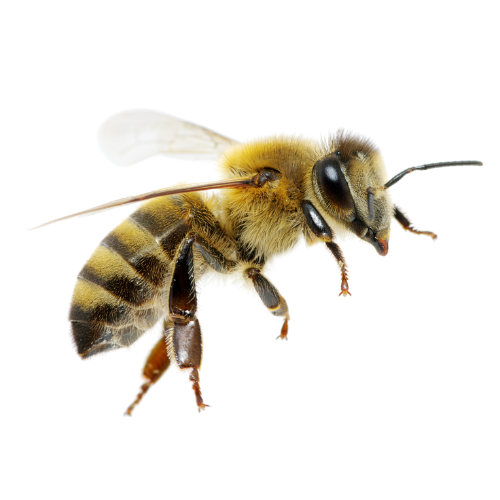
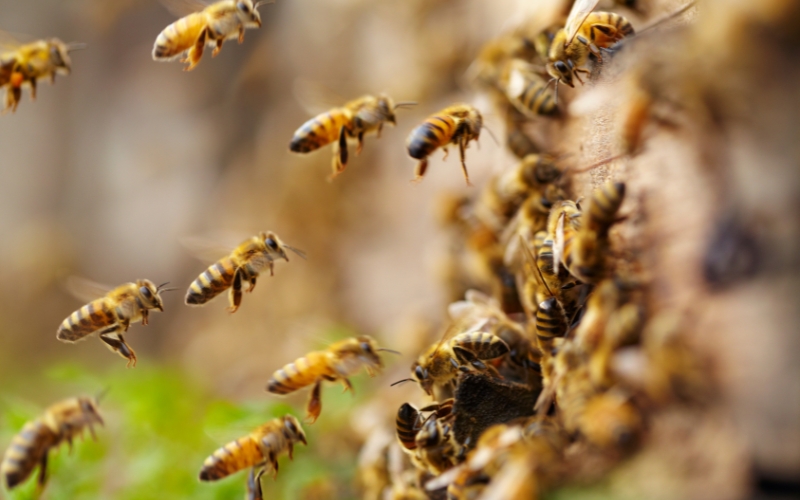
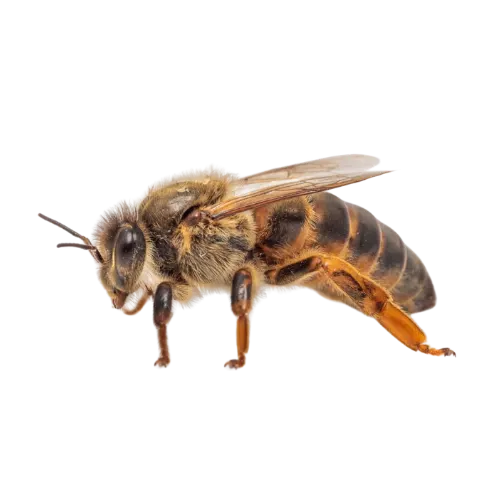
Honey Bees
Social bees that live in hives and produce honey. They are vital pollinators. We do not deal with honey bees; a local beekeeper may be able to collect a swarm.
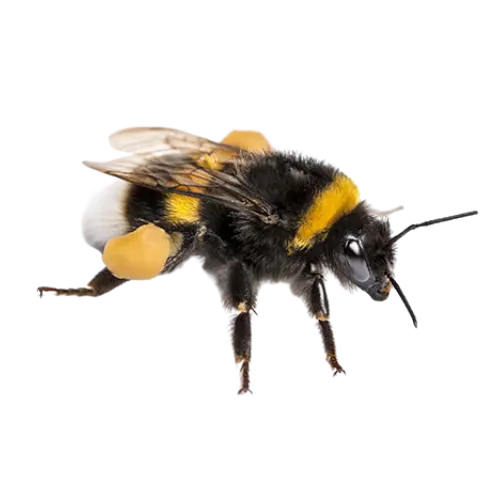
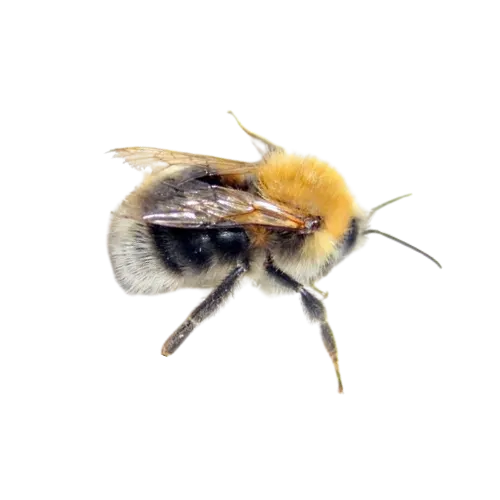
Bumblebees
Larger, fuzzy bees that nest in soil, trees, and walls. They are generally harmless and only sting if they feel directly threatened.
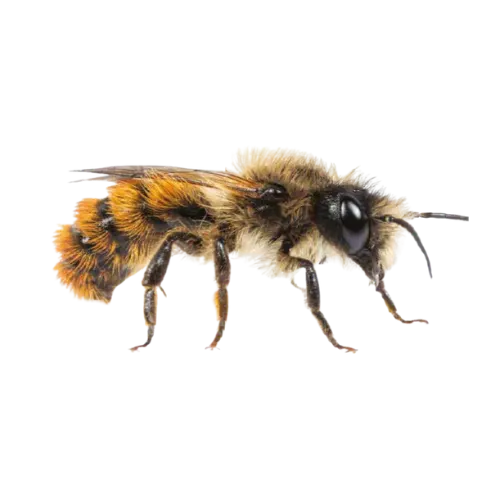
Masonry Bees
Solitary bees that make nests in small holes in brickwork. They do not form colonies and cause little to no structural damage.
Tree bees
A newer species in the UK, often nesting in bird boxes or roof spaces. They are not aggressive and rarely cause any problems.
How we deal with Bees
We don’t kill any bees, but we will relocate them to a new home if we have access to their nest. We do this by installing what’s known as a Nuc which is a small beehive without frames and comb. We place the nest inside the Nuc during the day so that all the flying bees that return at dusk have settled into the Nuc which we simply close up and transport to a new safe location where they won’t bother anyone. This is usually at our own apiary.
Please don’t allow anyone to kill these bees as they rarely sting and just want to be left alone.
DIY Pest Control
Many callers want the bees kept alive, which we completely understand. Often the concern is a family member who reacts badly to stings, or young children in the house.
Anyone can react to a sting; how badly depends on the person. For some people a sting can cause anaphylaxis, which can be life-threatening, so where there is a genuine risk it is important that it is dealt with.
Please note that we do not deal with honey bees. A local beekeeper may be able to collect a swarm.

