

Clothes Moths
Clothes moths are small but highly destructive pests. It is the larvae, not the adult moths, that do the damage, feeding on natural fibres such as wool, silk, cashmere and fur. Clothing, carpets, rugs, curtains, upholstery and stored textiles are all at risk, and an infestation can go unnoticed until holes appear. If you suspect clothes moths, it’s important to act before the damage spreads.
Prefer a chemical-free option? We also treat clothes moths using tiny parasitic wasps, each about the size of a full stop, that destroy moth eggs before they hatch.
Clothes Moth Control
At First Pest Control, we provide effective clothes moth treatments for homes, rented properties and businesses. We offer a traditional insecticide treatment and a chemical-free biological treatment, so you can choose the approach that suits your property.
Common Clothes Moth
The most common species in UK homes. Small, pale golden moths that avoid light, with larvae that feed hidden in wardrobes, drawers and under furniture.
Case-bearing Clothes Moth
The larvae spin a small silken case from the fibres they eat and carry it with them. Often found in carpets, rugs and stored woollens.
Brown House Moth
A larger, mottled brown moth often found in older properties. Its larvae feed on wool, fur and feathers as well as stored foods.
How we deal with Clothes Moths
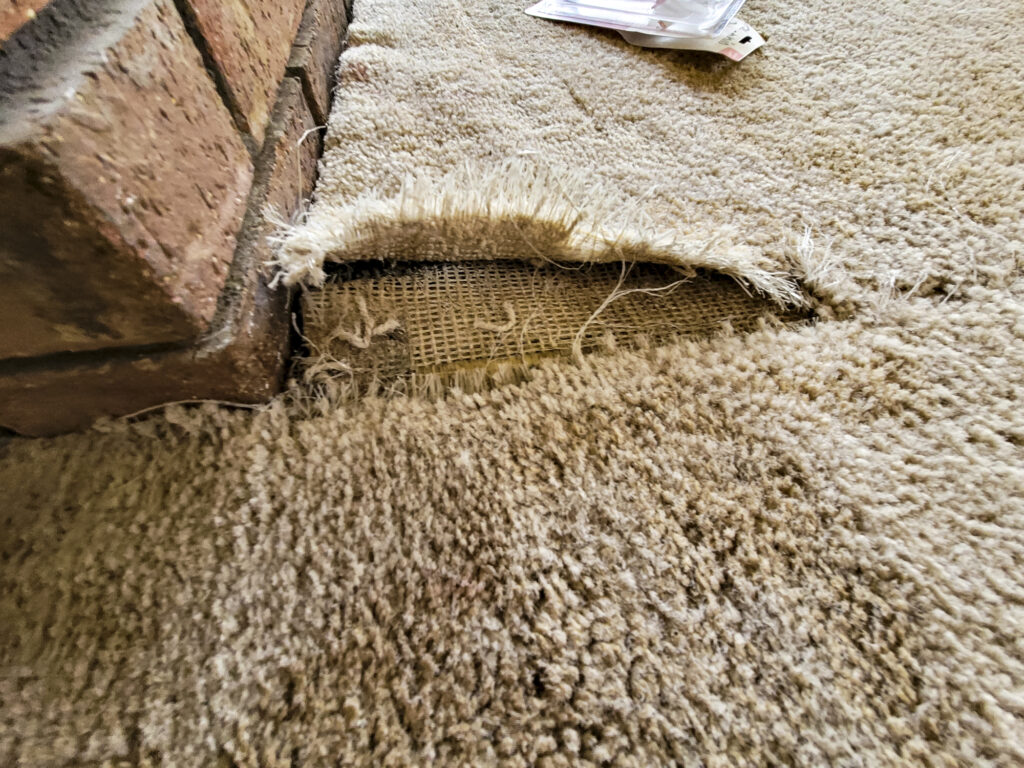
The adult moths don’t cause the damage; it’s the larvae. Clothes moth larvae feed on natural fibres and, unlike carpet beetle larvae, are confident enough to feed in exposed areas as well as under furniture, along carpet edges and inside wardrobes and drawers. Look for small holes in clothing, bare patches in carpets and rugs, and silken tubes or cases. The larvae look like small grains of white rice or rolled-up tissue paper.
Insecticide treatment. We treat with a long-lasting residual insecticide that can remain active in carpets for up to nine months, and we can use ULV (ultra low volume) fogging to penetrate wardrobes, drawers and other hard-to-reach places.
Chemical-free treatment with parasitic wasps. We also offer a chemical-free biological treatment using tiny parasitic wasps, each about the size of a full stop. They seek out clothes moth eggs and lay their own eggs inside them, so the moth eggs never hatch. The wasps are harmless to people and pets, don’t sting, and die off naturally once there are no moth eggs left. This treatment is especially well suited to large houses, museums, historic properties and valuable collections where insecticides aren’t wanted.
DIY Pest Control
We would usually recommend a professional treatment, but there is plenty you can do yourself to help. Wash affected clothing on as hot a wash as the fabric allows, or seal items in a bag and put them in the freezer for at least a week. Vacuum thoroughly, especially along carpet edges, under furniture and inside wardrobes, and empty the vacuum outside straight away.
Store woollens clean and in sealed bags or boxes. Pheromone monitoring traps can show whether moths are present, but they only catch males and won’t clear an infestation on their own. Please don’t use insecticide sprays or smoke bombs bought online.