

Fleas
Fleas are a common pest in UK homes, often brought in by pets or wildlife. These tiny, wingless insects are not only a nuisance but can also cause discomfort and health issues for both humans and animals. Flea bites can lead to itching, irritation, and even allergic reactions, while their ability to multiply rapidly can lead to a full-blown infestation if left unchecked.
-
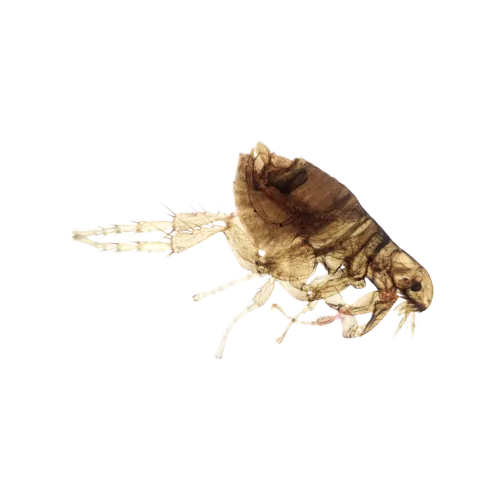
Fleas Pest Control
At First Pest Control, we offer professional flea control services to ensure your home or business is free from these troublesome pests. Our expert team uses safe, effective treatments to eliminate fleas and prevent future infestations.
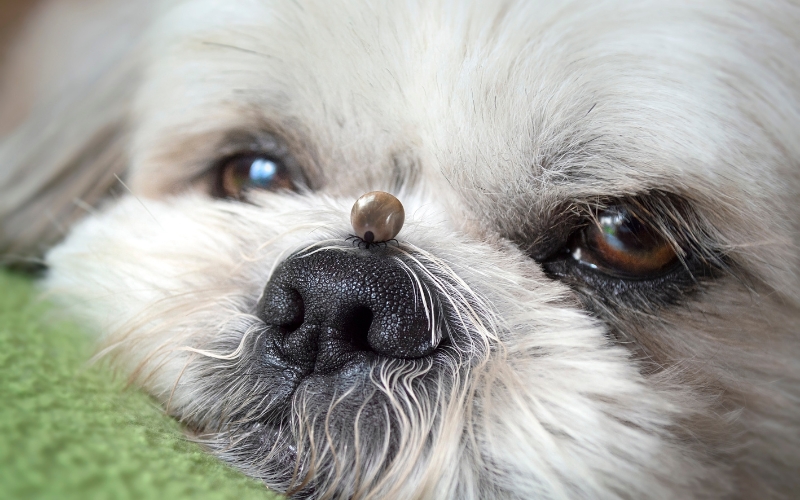
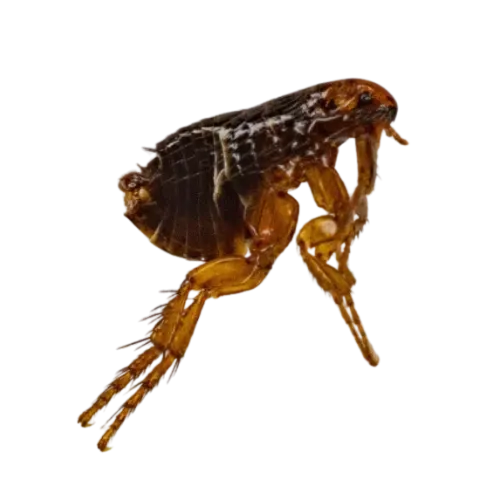
Cat Flea
The most widespread flea species in the UK, commonly found on cats and dogs
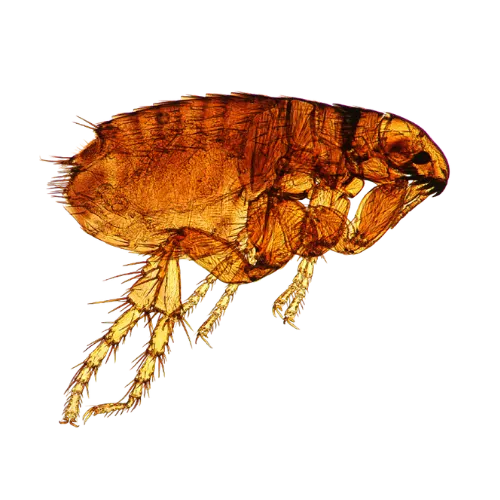
Dog Flea
Similar to cat fleas, these prefer dogs but can infest other animals and homes.
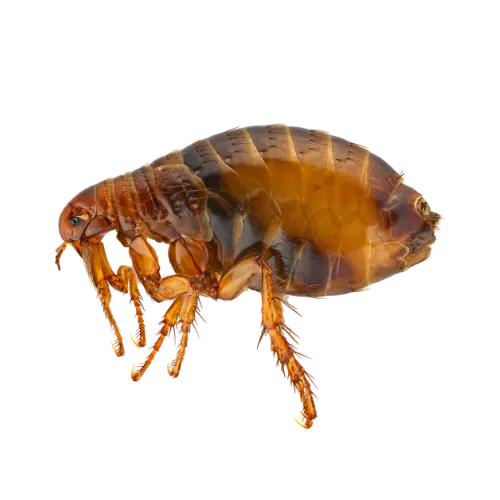
Human Flea
Less common today but can still infest homes, feeding on human blood
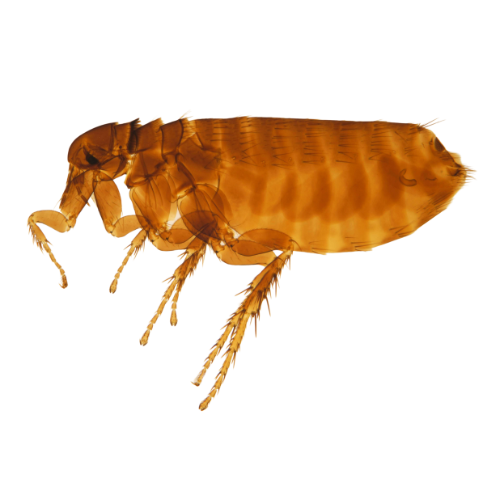
Bird Flea
Found in bird nests and can move indoors if birds are nesting in roofs or chimneys.
How we deal with Fleas
Each year, fleas represent a large bulk of our workload and especially in the summer. Over the years fleas have developed resistance to several insecticides and can be extremely stubborn at times to remove.
The most successful treatment for fleas is residual insecticide with an insect growth regulator. We would always recommend having two treatments for fleas over a three-week period, but we understand that everyone has a different budget. We started seeing resistance in fleas in 2024, and this was a national issue and not just isolated incidents. Pest controllers across the country were experiencing call backs after a few weeks stating that the fleas were still there.
We managed to identify the base ingredient that was causing most of the resistance, but there are many companies that still use those products. We don’t use those products because they’re likely to fail. If you have a light to medium infestation then one treatment may suffice, but if it’s heavier than this then two treatments are recommended. Two treatments must be booked in on the initial booking to secure at the better price, otherwise the full single price of treatment is charged if you require a second visit at a later stage.
Prior to treatment we will issue you with a few simple instructions to complete prior to our arrival. This is extremely important to have a successful treatment.
DIY Pest Control
Please don’t use smoke bombs for fleas; they won’t work. Whatever the label says, they have no lasting effect, so they stop working the moment the product settles. They don’t kill eggs, they don’t contain an insect growth regulator (IGR), and they can’t reach fleas that are hiding. You are also unlikely to have the protective clothing and breathing equipment needed to use them safely.
Please don’t use insecticide powder in your home either. It is dangerous and, because fleas have built up resistance, it won’t be effective.