

Mice
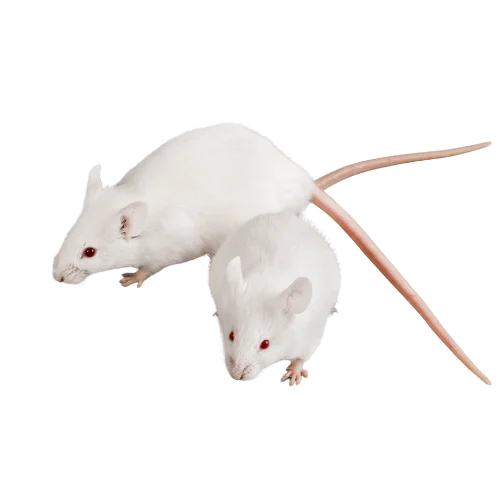
Mice Pest Control
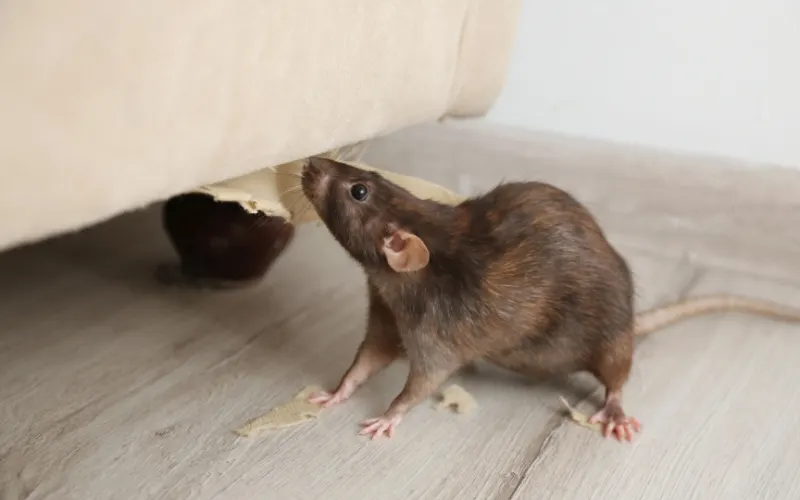
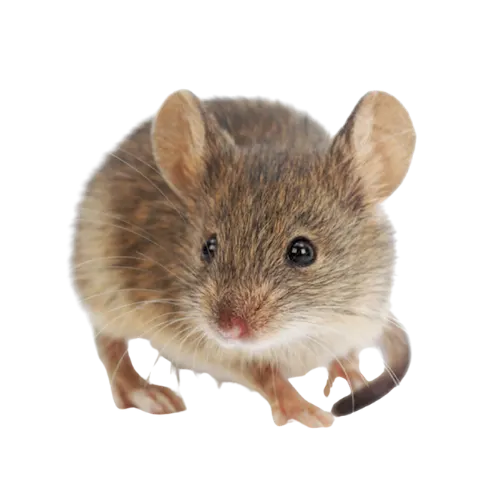
House Mouse
The most common species, found in homes, businesses, and agricultural buildings. They can fit through gaps as small as 6mm.
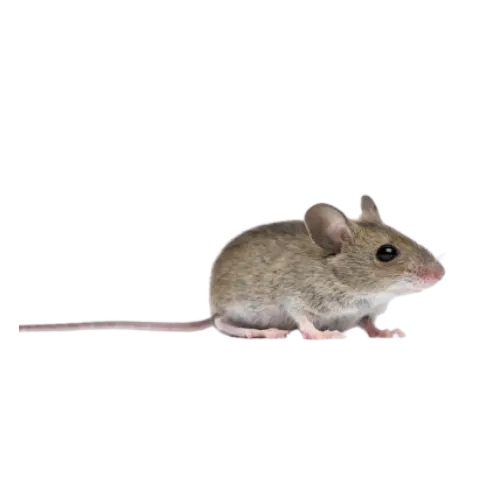
Field Mouse
Usually found outdoors but may enter buildings in search of food and shelter.
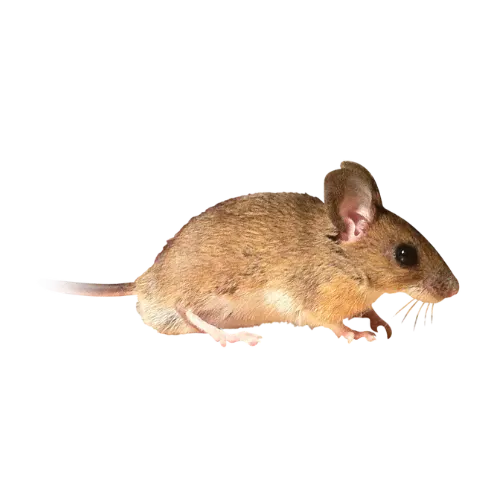
Yellow-Necked Mouse
Larger than house mice, commonly found in rural areas and loft spaces.
How we deal with Mice
As a result of the resistance issues in mice and the concern for secondary poisoning issues, we mainly use a bait which mice have zero resistance to and its more wildlife friendly in relation to secondary poisoning issues. As an example: If a wild bird was to feed on a dead mouse or rat that’s perished because of anticoagulant bait then there’s a high probability that bird will also die. On the other hand, if the wild bird was to feed on the rat or mouse who’d died from the zero-resistance bait, then there’s a 90% likelihood of that bird having no ill effects.
Pest controllers must undergo additional training to purchase and use the zero-resistance product safely, and thus, it cannot be bought online by anyone non-qualified.
There are situations when it’s not advisable to use the zero-resistance product which the main ingredient is cholecalciferol and a dynamic risk assessment on the initial visit will determine if it’s safe or not to use. The alternative is a high strength second generation anticoagulant which is twice the strength sold online or in the shops.
Unlike rats, mice love to seek out new objects and are highly inquisitive. Rats will back away from a new object whereas mice will do the opposite. So this works in our favour when using a baiting programme in the house or business.
Trapping is another option when dealing with mice. We have humane traps that can catch and kill multiple mice with zero use of baits if you’re concerned about the use of baits.
DIY Pest Control
Mouse baits sold in shops and online usually contain bromadiolone, difenacoum, difethialone, flocoumafen or brodifacoum, at about half the strength professional pest controllers use. UK monitoring that began at the University of Reading also found that around 95% of mice tested carried a gene that makes them resistant to some anticoagulant baits. If you are struggling to get on top of mice, the bait may not be strong enough, or the problem may be down to where the bait is placed, how it is presented, bait shyness, other food sources or entry points that haven’t been found.
You could try trapping. If you use a live trap, check it every few hours for the animal’s welfare, give the mouse water and bedding inside the trap, and dispatch it humanely. Please don’t release a live mouse: taken away from its family into an unfamiliar place, it has very little chance of surviving.
If you use instant-kill traps, buy a reputable brand rather than cheap traps that only work once.